


wildlife photo tour india
- TravelIndia's Wildlife Doesn't Sit Still. The Best Photographs Come From the People Who Follow It Properly.
Wildlife photography in India has a standard version. Ranthambore for tigers. Corbett for elephants. A jeep safari at dawn, a long lens pointed at a gap in the trees, waiting. All of it valid. All of it also shared with every other photographer who booked the same zone on the same morning.
The wildlife photo tour India circuit that serious photographers talk about, the one that produces images nobody else is bringing back, involves destinations and access points that the mainstream wildlife tourism industry hasn't fully caught up with yet. Northeast India specifically. The Brahmaputra valley. Landscapes where the wildlife density is extraordinary and the competition for position on a given morning is minimal.
Finding the right operator for that version of the trip changes everything.
Why Northeast India Is the Conversation Nobody Is Having Loudly
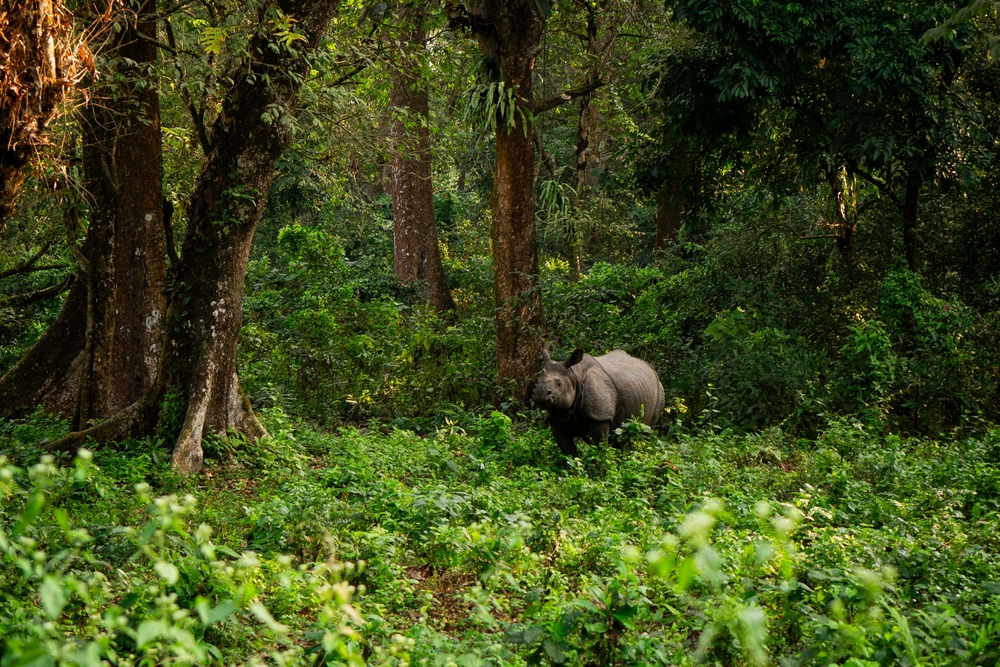
Assam holds Kaziranga National Park, the highest density of one-horned rhinos on earth, UNESCO listed, sitting in the Brahmaputra floodplain with a bird list that runs to over 480 species. The wildlife photography community has known about this for years. International photographers have been quietly booking trips to Assam while the mainstream travel market was still sending everyone to the same five Rajasthan reserves.
The numbers:
Kaziranga has around 2,600 one-horned rhinos. That's roughly 70% of the global population. Elephants, wild water buffalo, swamp deer, tigers, all present in concentrations that other Indian reserves don't match. The wetland habitat attracts migratory bird species from October through March in volumes that make the Brahmaputra valley one of the most productive birding destinations in Asia.
The access question is where most wildlife photo tours India options fall short. A jeep safari into Kaziranga is the standard approach, effective, established, competitive for prime positions near the better wildlife concentrations. A river-based approach gives something different: movement through the landscape at water level, access to the riverine islands and sandbanks that jeep tracks don't reach, early morning positioning with the light coming from the right direction and the wildlife undisturbed by road traffic.
What the River Adds to Wildlife Photography
The Brahmaputra in winter drops its water level and reveals sandbanks. Those sandbanks are where Gangetic river dolphins surface. Where the greater adjutant storks, critically endangered, one of the largest flying birds in the world, congregate in numbers that would be considered extraordinary anywhere else but are simply Tuesday morning on the right stretch of river. Where fishing cats and otters work the margins at dawn.
None of that is accessible from a jeep track.
River-based wildlife photography also solves a problem that land-based safaris create, the animals aren't habituated to the boat the way they're habituated to vehicle engines. The approach is quieter, slower, less predictable. A vessel moving with the current doesn't announce itself the same way a diesel engine does. The photographs that come from this kind of access have a quality, animals behaving naturally, undisturbed, in their actual environment, that staged or vehicle-habituated wildlife photography rarely achieves.
Kerala: A Different Kind of Wildlife Photography
The backwater ecosystem between Kollam and Kottayam operates on a different register from Assam. No rhinos. The wildlife here is avian, aquatic, and subtle, kingfishers working the canal edges, purple moorhens in the paddy fields, cormorants drying their wings on stakes at low tide. The Chinese fishing nets at dawn. The light on still water in the early morning doing things that landscape photographers build entire trips around.
Wildlife photo tour India itineraries that combine the Brahmaputra and the Kerala backwaters cover two entirely different ecosystems, two different light conditions, two different photographic vocabularies. The combination produces a portfolio that's harder to achieve through any other single operator.
The Quiet Pioneer of Indian River Cruising
Adventure Resorts & Cruises Pvt. Ltd. has been running river operations since 1998, long enough to know both rivers intimately, short enough in the tourism industry's sense that the routes haven't been mass-marketed into predictability.
M.V. Mahabaahu on the Brahmaputra is the vessel that makes the Assam photography access possible. Small ship, boutique operation, cabin categories from Superior to Deluxe with private balcony, Luxury, and Suites. The upper deck functions as a photography platform, elevated, stable enough for long lens work, positioned above the bank vegetation that blocks ground-level viewing. Early morning wildlife viewing from the deck while the vessel holds position near productive sandbanks is not a promise made in a brochure. It's what the vessel is designed to deliver.
Off the boat
Kaziranga safaris coordinated through the cruise, wildlife guide expertise focused on what photographers specifically need rather than what general tourists want to see. Timing built around light rather than convenience. Village visits and cultural programmes for the hours between dawn and dusk when the wildlife photography window has closed.
M.V. Vaikundam on Kerala, nine cabins, intimate scale, the backwater network accessed at a pace and from an angle that the larger houseboat operators don't offer. The photographic opportunities here are different but consistent: the canal light at dawn, the bird activity in the early morning, the village life along the water that reveals itself slowly to a vessel moving quietly rather than announcing itself.
Direct bookings from the Faridabad office, or you can raise a query on the website. No third-party aggregator between the photographer and the operator, which matters when specific timing requests, a particular sandbank at a particular state of tide, a dawn positioning near a known dolphin surfacing area, need to be discussed and built into the itinerary rather than accommodated as an afterthought.
Major Notes
October through March is the Brahmaputra window, water levels dropped, sandbanks exposed, migratory birds present. Kerala backwaters work year-round with the best light conditions outside monsoon. Both itineraries can be combined into a single India trip with enough planning.
Telephoto lens from 400 mm upward for the Brahmaputra. Wide angle for the backwater landscape work. A tripod head that works in the gentle motion of a river vessel. These are the equipment considerations that we understand because we’ve been watching photographers work both rivers for years.
Final Thought
The best wildlife photo tour India itinerary isn't the most famous one. It's the one that puts photographers in the right position at the right time on the right piece of water with a guide who knows what's about to happen before it does.
The Brahmaputra at dawn with a rhino on the sandbank and nobody else on the river. The Kerala backwater at first light with a kingfisher working the canal edge thirty metres from the bow. These are the photographs that don't look like everyone else's India wildlife portfolio.
Adventure Resorts & Cruises operates in exactly this space. Two rivers, genuine expertise, small vessels that get close without disturbing. The wildlife photo tour India that produces something worth framing starts with the right operator and the right water